
Door To Door Repair
Redesigning the Bike Shop Model w/AI.

Problem Statement and Goals
When we started Door To Door Bike Repair, our main goal was simple: examine and improve the bicycle repair process for both customers and shops. Through 'empathy interviews' with more than 30 bike shops across the United States and conversations with their customers, we mapped the real friction points in the repair journey.
Two findings stood out. First, it’s a hassle for almost everyone to transport a bike to a shop, and shops often struggle with limited storage space, which means bikes are held longer than necessary. Second, turnaround times during peak season can stretch up to three weeks, creating frustration on both sides. Using design thinking, we empathized, reframed the problem, and landed on a clear solution: scheduled pickup and delivery. If we could thoughtfully automate parts of that process, we could remove even more friction.
My Role and Team
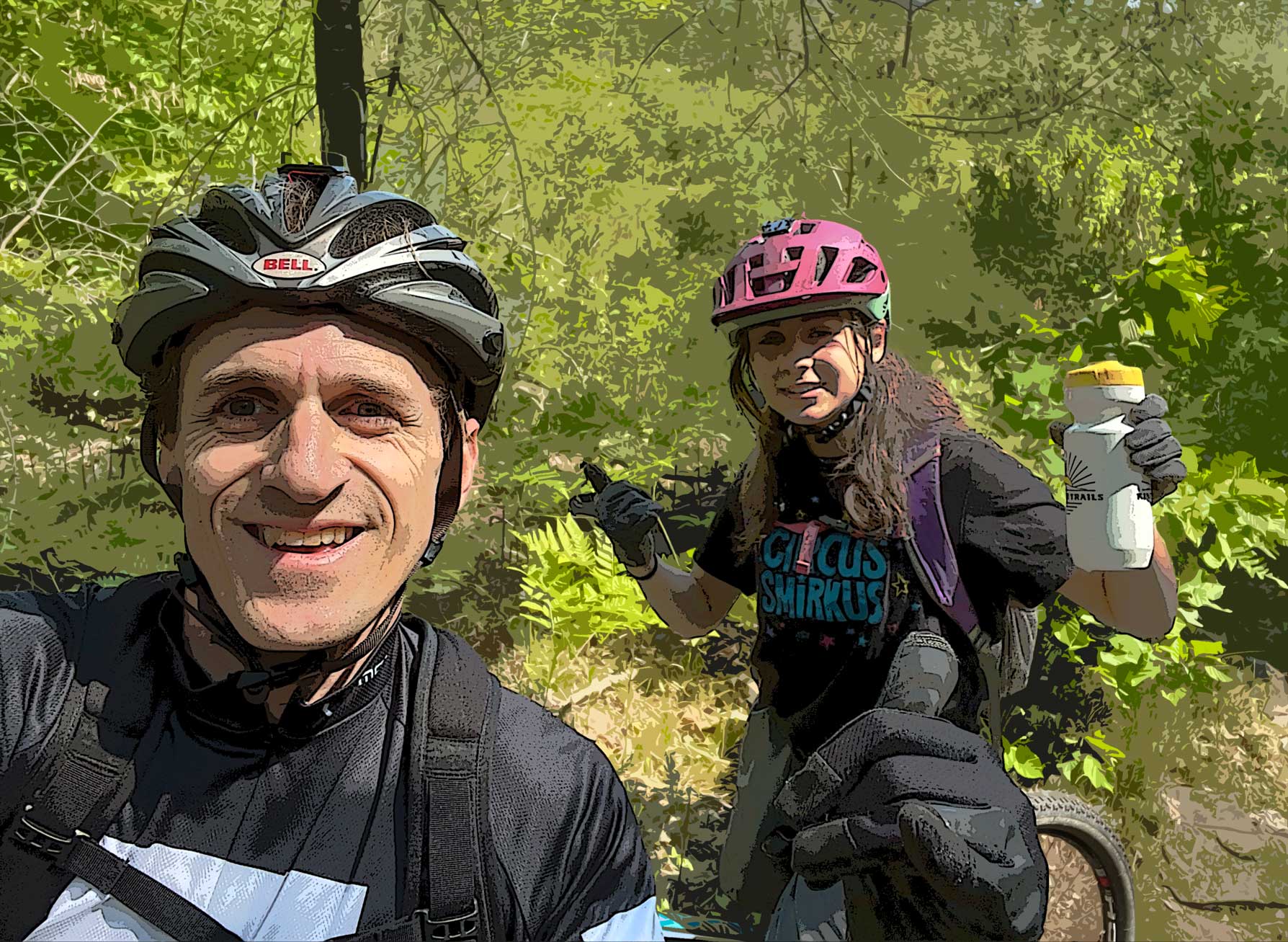
As founder and lead product designer, I drove the research, service design, and system architecture behind Door To Door. My daughter Madeline, a 50 percent shareholder, has grown alongside the business as a hands-on partner, learning product thinking, operations, and customer experience through real-world execution. Together, we treat the company as both a service operation and a product laboratory.
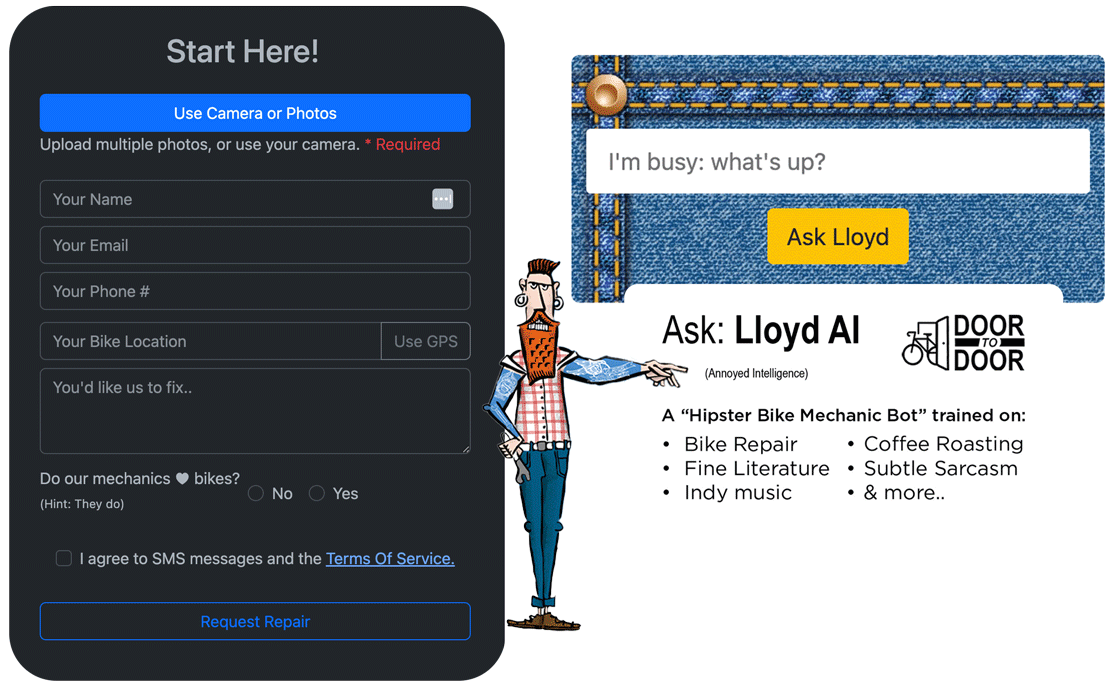
Drawing from my experience designing telehealth and remote technician services, I approached bicycle repair as a remote diagnostic challenge. I designed an interface that allows customers to upload photos and explain what’s wrong with their bike, then translates that input into a structured quote and scheduling link. What started as a manual service model evolved into a tightly integrated intake, quoting, and logistics system built to reduce ambiguity and improve repair velocity.
Research and Insights
Our research made it clear that the real bottleneck in bicycle repair isn’t mechanical expertise. It’s intake, logistics, and timing. Customers struggle to describe problems accurately, and shops struggle to forecast workload before the bike even arrives. Storage limitations compound delays, especially mid-summer when demand peaks.
A key insight was that better intake upstream could dramatically improve downstream repair speed. By allowing customers to share photos and structured descriptions before pickup, we improved diagnostic clarity and reduced unnecessary back-and-forth. The service became not just mobile, but intelligently pre-informed before the bike ever enters our stand.
Project Outcome
Door To Door launched with a 24-hour turnaround model that directly addressed transportation and storage constraints. By scheduling pickup and delivery, we reduced customer friction and avoided the backlog traditional shops experience during peak season. The business achieved 300 percent ROI within four months while maintaining 100 percent customer satisfaction.
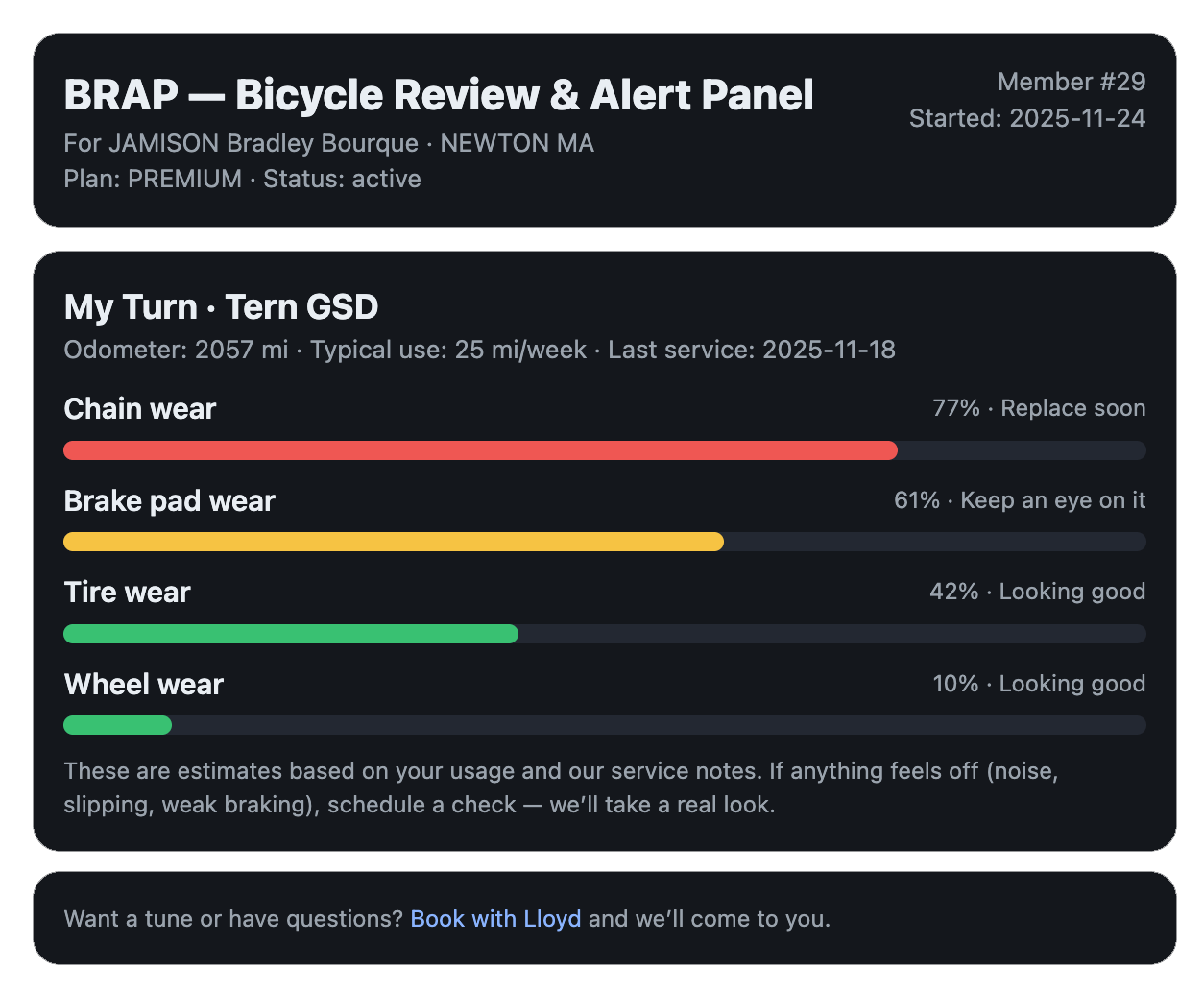
The AI layer became valuable not because the solution required artificial intelligence, but because automation removed the final friction points. The AI-assisted triage workflow that handles quoting and scheduling with minimal manual intervention expanded into a growing bicycle repair data model, white-label partnerships with DTC brands, and membership programs with dashboards that keep customers informed about when they might need service again, demonstrating how thoughtful service design, accelerated by AI, can reshape even the most physical industries.

Hearing With Empathy
Turning a medical barrier into an accessible, research-driven care experience.
Problem Statement and Goals
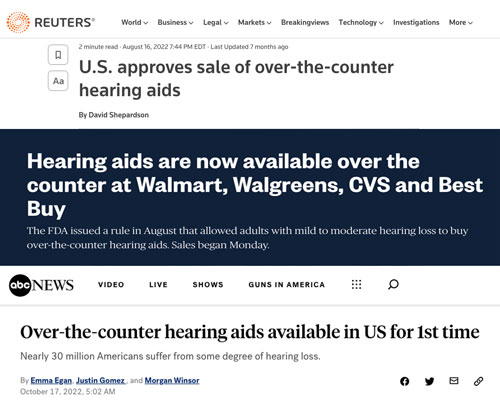
With the FDA enabling over-the-counter hearing aids, our team was tasked with designing a digital hearing aid purchase and assessment experience for BestBuy.com. This was not just an e-commerce challenge. It was a sensitive healthcare journey involving identity, accessibility, and trust.
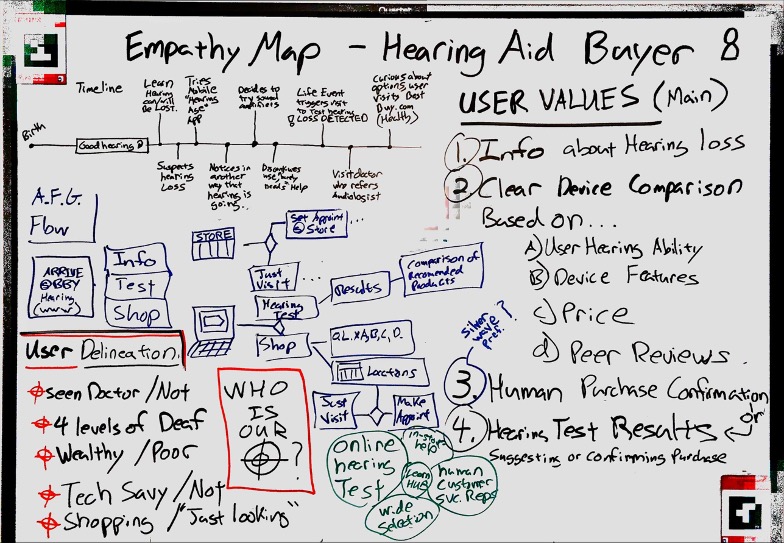
My goal was to ensure the experience addressed real human needs first. I focused on understanding what it feels like to lose hearing, what delays care-seeking behavior, and what finally motivates someone to take action. These insights shaped a more empathetic and accessible path to hearing support.
My Role and Team
As a UX Designer, I led research, data synthesis, and experience design for the hearing journey, including the assessment and purchase flow. I collaborated closely with stakeholders across Legal, Medical, Research, Marketing, and development teams to ensure the solution was both compliant and human-centered.
My role extended beyond interface design into shaping how healthcare guidance, education, and digital assessment could work together as a cohesive and trustworthy experience on dot-com.
Research and Insights
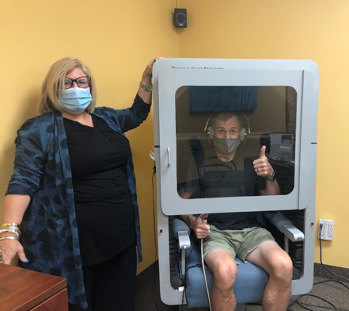
Through competitive analysis and survey research, I mapped the long and often emotional journey people take before purchasing hearing devices. One critical insight was that the traditional in-person hearing test, while trusted, was also a major barrier to entry.
We identified that integrating a guided digital hearing check directly into the purchase journey could reduce friction while maintaining credibility. Users needed clarity, reassurance, and accessible language rather than purely technical medical framing.
Project Outcome
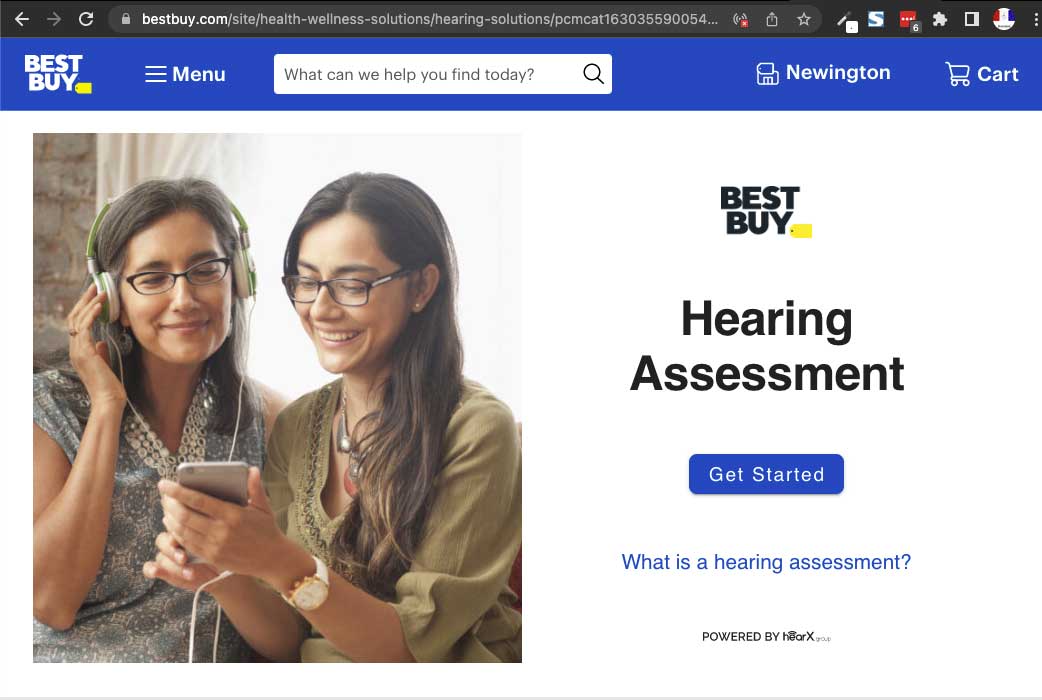
The online hearing test experience removed a key barrier to care by embedding guided assessment into the shopping journey and recommending solutions based on hearing range.
While we could not remove cost barriers, we significantly improved accessibility, confidence, and decision clarity for customers navigating hearing loss while delivering a more empathetic, research-driven healthcare UX aligned with emerging digital care models.

Geek Squad Triage Tool
Where conversational AI meets real-world repair intelligence.
Problem Statement and Goals
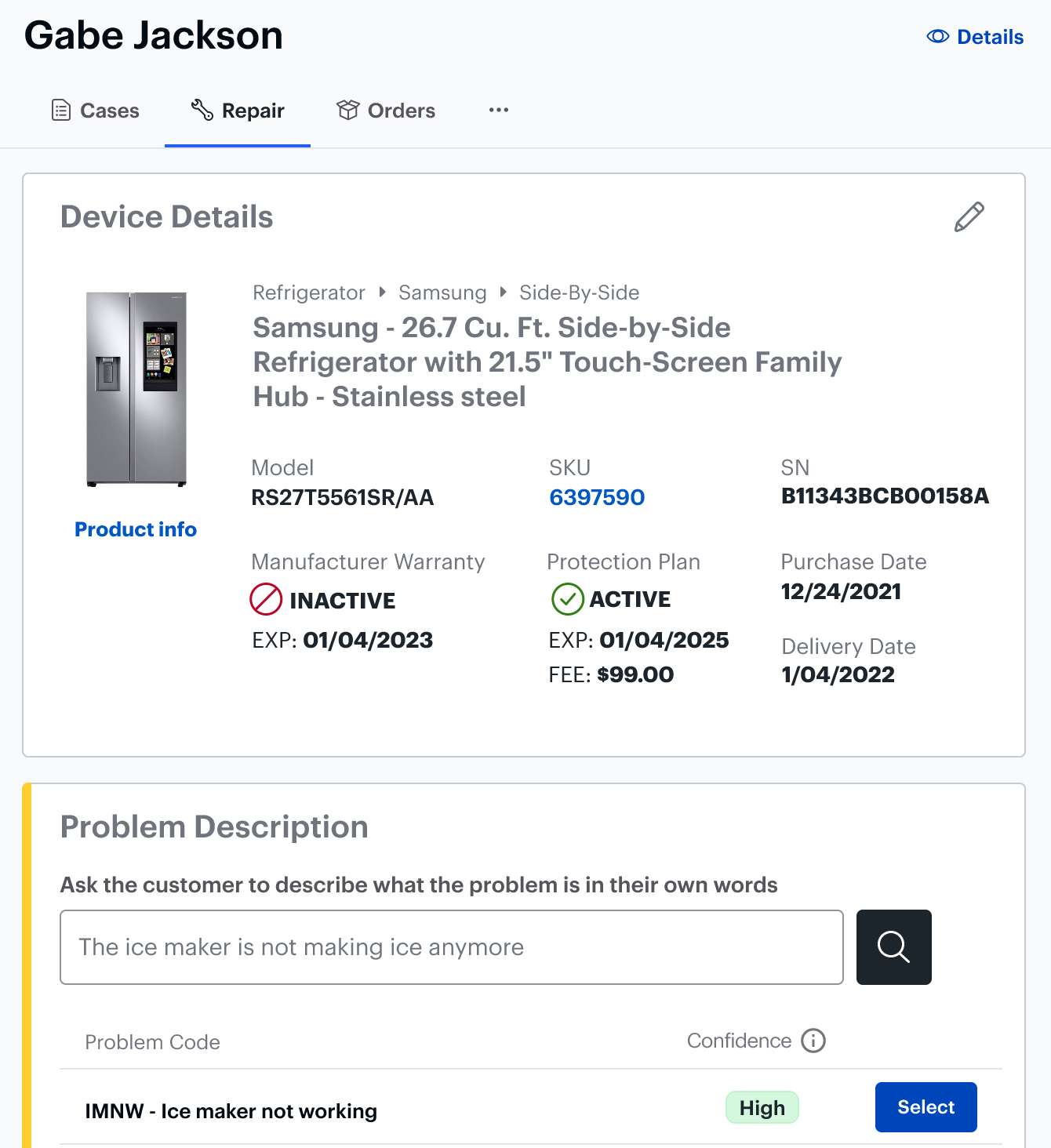
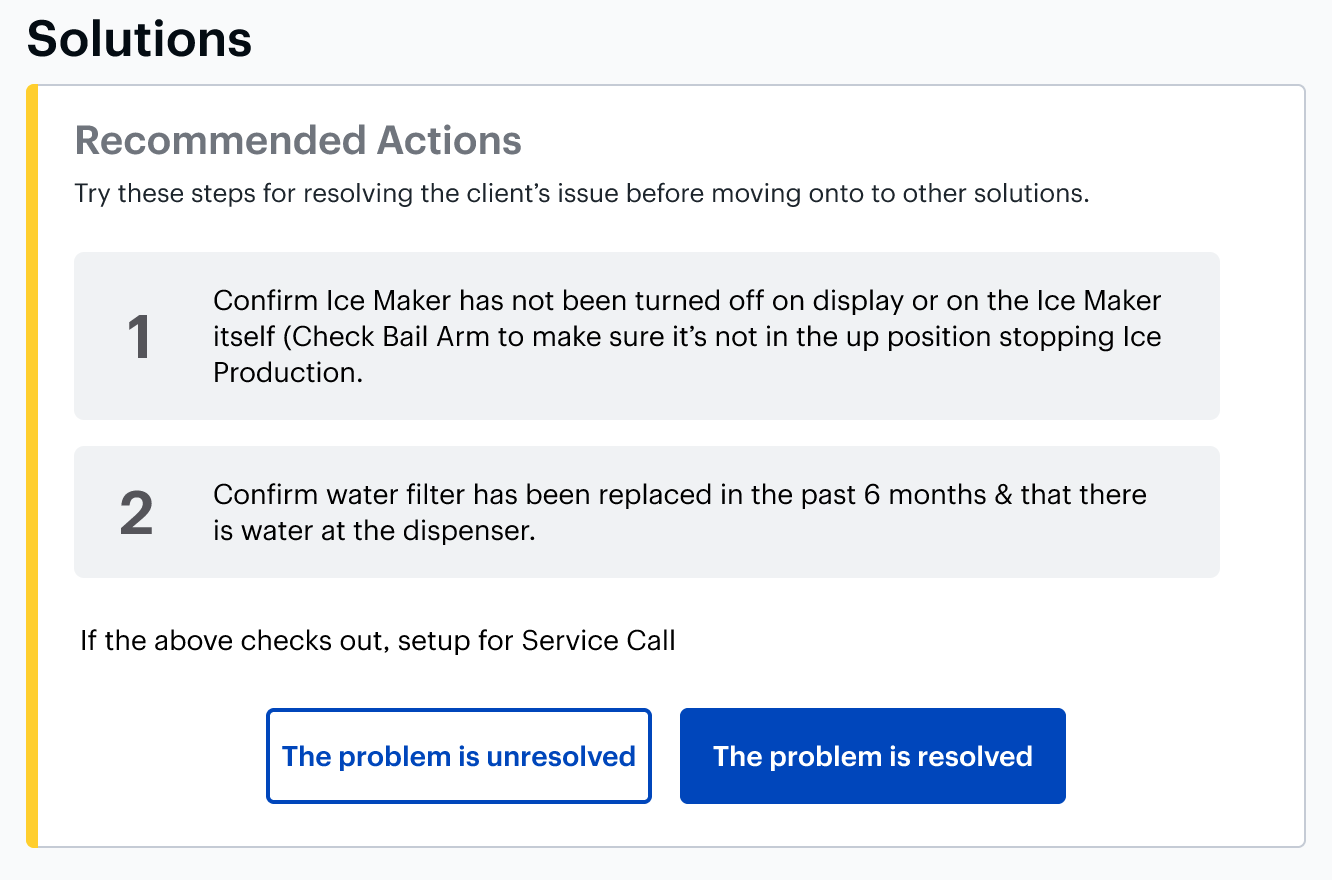
Geek Squad needed to reduce diagnostic errors during initial intake and improve repair efficiency across a distributed technician workforce. Early triage decisions directly impacted part ordering, repair timelines, and operational costs.
The goal was to design an AI-enabled triage system that supported technicians with guided diagnostics, natural conversational flows, and actionable insights — enhancing human expertise rather than replacing it. This required thoughtful integration of AI, NLP, and real-world service workflows into a seamless diagnostic experience.
My Role and Team
As the UX designer leading this initiative, I owned the experience from research through prototyping, testing, and rollout. I collaborated closely with product managers, engineers, and frontline technicians to design a human-centered AI interaction model grounded in real diagnostic behavior.
My work included employee interviews, workflow observation, conversational UX design, and usability testing to ensure the AI system felt intuitive, trustworthy, and operationally relevant within existing service tools.
Research and Insights
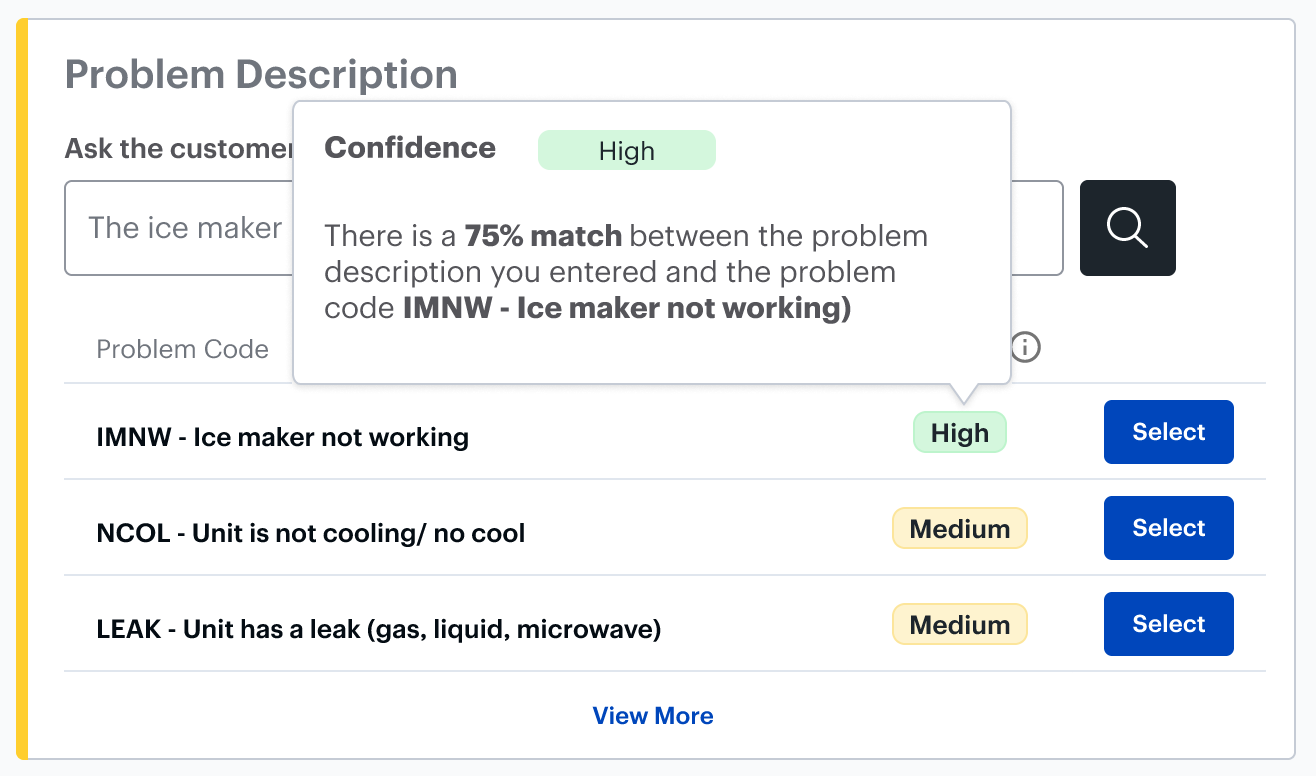
Research revealed that technicians struggled most during early diagnostics, especially when identifying correct parts before service visits. Traditional intake tools forced rigid decision trees that did not align with real troubleshooting behavior.
A key insight was that technicians think conversationally and heuristically. We translated this into an AI-guided Q&A diagnostic flow that mirrored real technician reasoning, reducing cognitive load while improving accuracy and confidence in assessments.
Project Outcome
The AI-enabled triage tool reduced diagnostic errors, unnecessary part orders, and repeat repair visits while improving technician efficiency by ~35%. It was successfully integrated into service workflows and adopted across multiple teams.
This project demonstrated how thoughtfully designed AI decision-support systems can enhance human expertise, operational efficiency, and customer outcomes at scale.

AI-Powered COVID Detection
Designing AI-assisted monitoring to reduce cognitive load in crisis care.
Problem Statement and Goals
During the COVID crisis, hospitals were overwhelmed and understaffed, creating an urgent need for scalable monitoring solutions that could support medical professionals and improve patient outcomes.
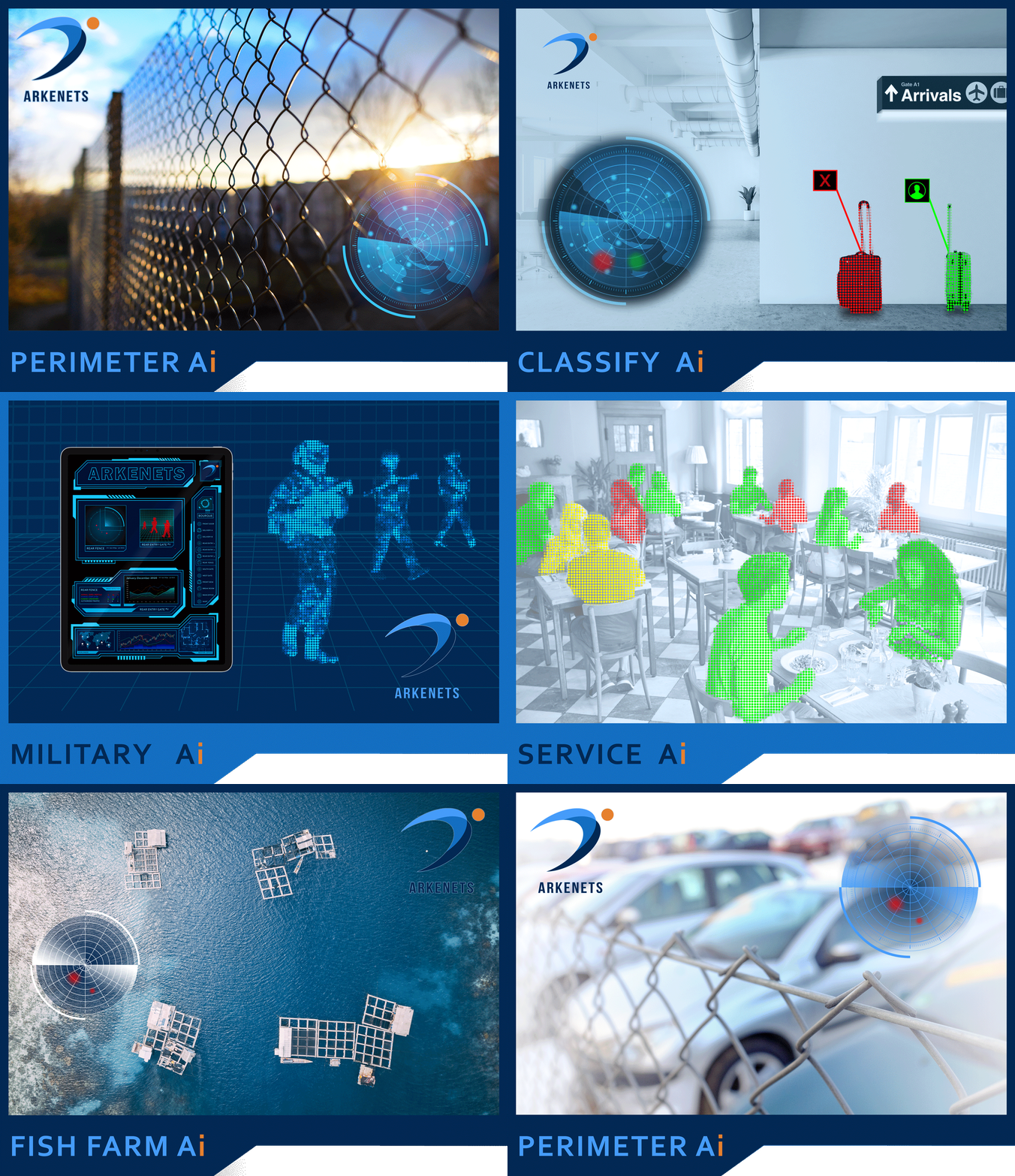
Our team was tasked with exploring how AI, sensors, and classification technologies could assist healthcare environments by detecting patient conditions and surfacing timely insights without increasing staff workload. The goal was to design a system that was clinically useful, human-centered, and understandable in high-stress medical contexts.

My Role and Team
As Director of Product Experience, I led design sprints, research, and cross-functional workshops with multidisciplinary teams spanning hardware, software, medical, and legal domains.
I directed user research with medical professionals, translated complex technical capabilities (AI, sensors, Doppler radar, 3D environments) into intuitive interactions, and ensured the system communicated clearly to non-technical users operating in critical care environments.
Research and Insights
We shifted from a technology-first mindset to a human-centered approach by studying how medical staff actually operate in crisis conditions. This included analyzing workflows, environmental constraints, and the improvised solutions clinicians were forced to use during peak hospital strain.
We also examined how similar monitoring technologies functioned across industries to identify patterns in human activity classification and alert systems that could translate effectively into healthcare settings.

Project Outcome
After extensive research, design sprints, and iterative development, we delivered a hands-free AI-driven monitoring and detection system capable of classifying patient conditions and providing timely alerts.
By combining machine learning, sensors, and human-centered interaction design, the solution supported medical professionals with scalable situational awareness, helping reduce cognitive burden and improving response efficiency during an unprecedented healthcare crisis.

Bose Baby Monitor
Research-driven exploration of how smart systems can support family wellbeing.
Problem Statement and Goals
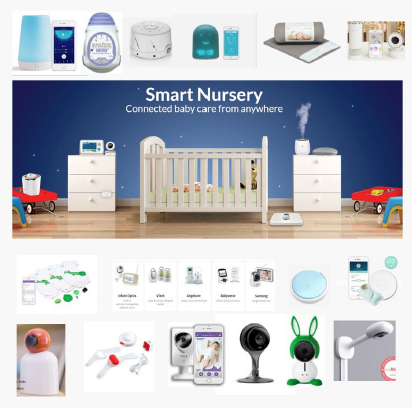
Bose explored expanding its smart ecosystem into family-focused technology, beginning with a baby monitoring solution. Rather than jumping to features, our team focused on understanding the deeper “Jobs To Be Done” in early parenthood.
The goal was to uncover what parents truly needed from smart monitoring systems and how technology could support not just the baby, but the wellbeing of the entire household.
My Role and Team
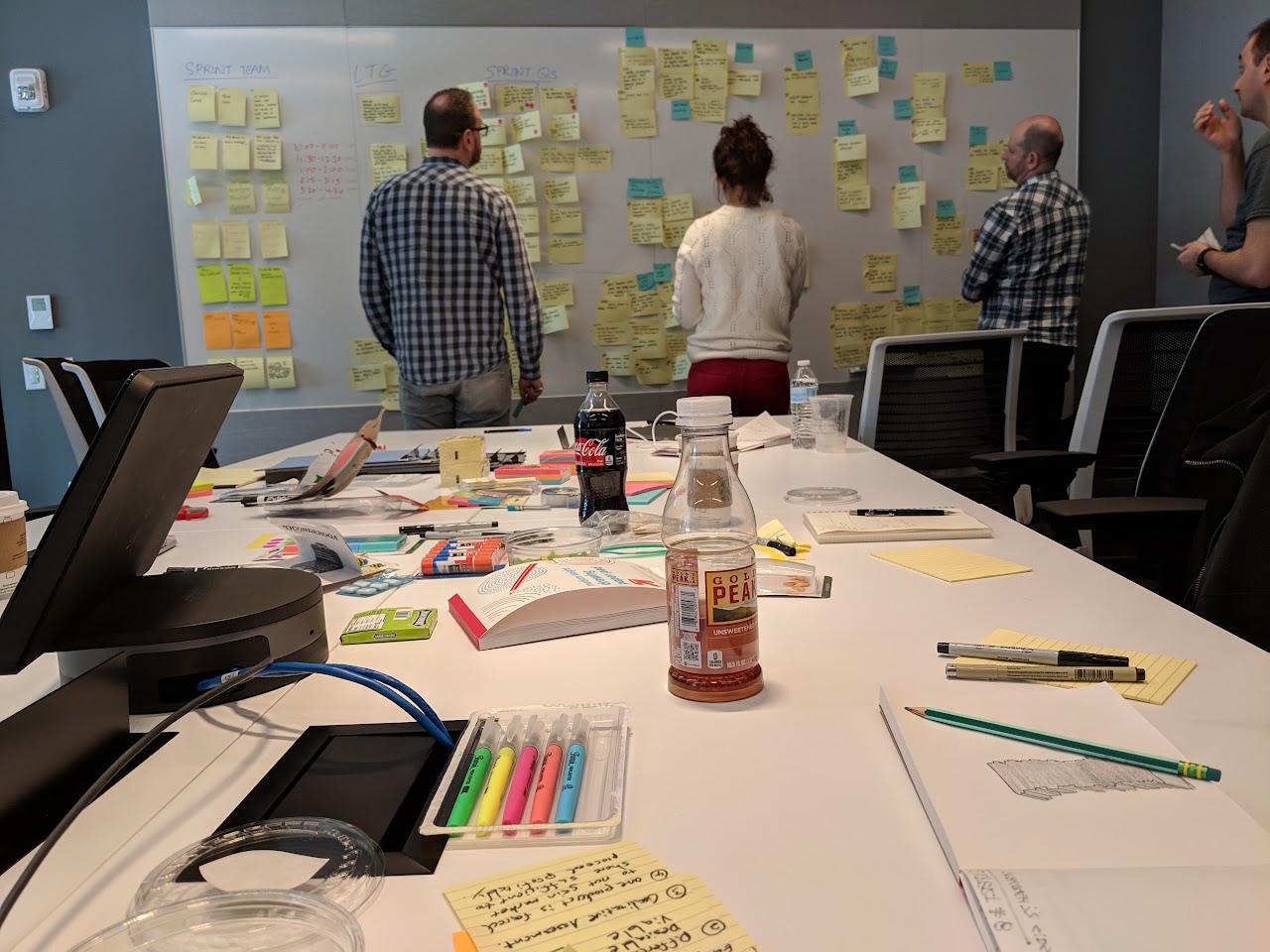
As the UX Designer, I collaborated with an innovation lead, researcher, and technologist in a multidisciplinary R&D environment. I contributed through prototyping, interview design, research synthesis, and exploration of emerging smart technologies within the Bose ecosystem.
My work emphasized translating research insights into tangible interaction concepts grounded in real family behaviors and emotional needs.
Research and Insights
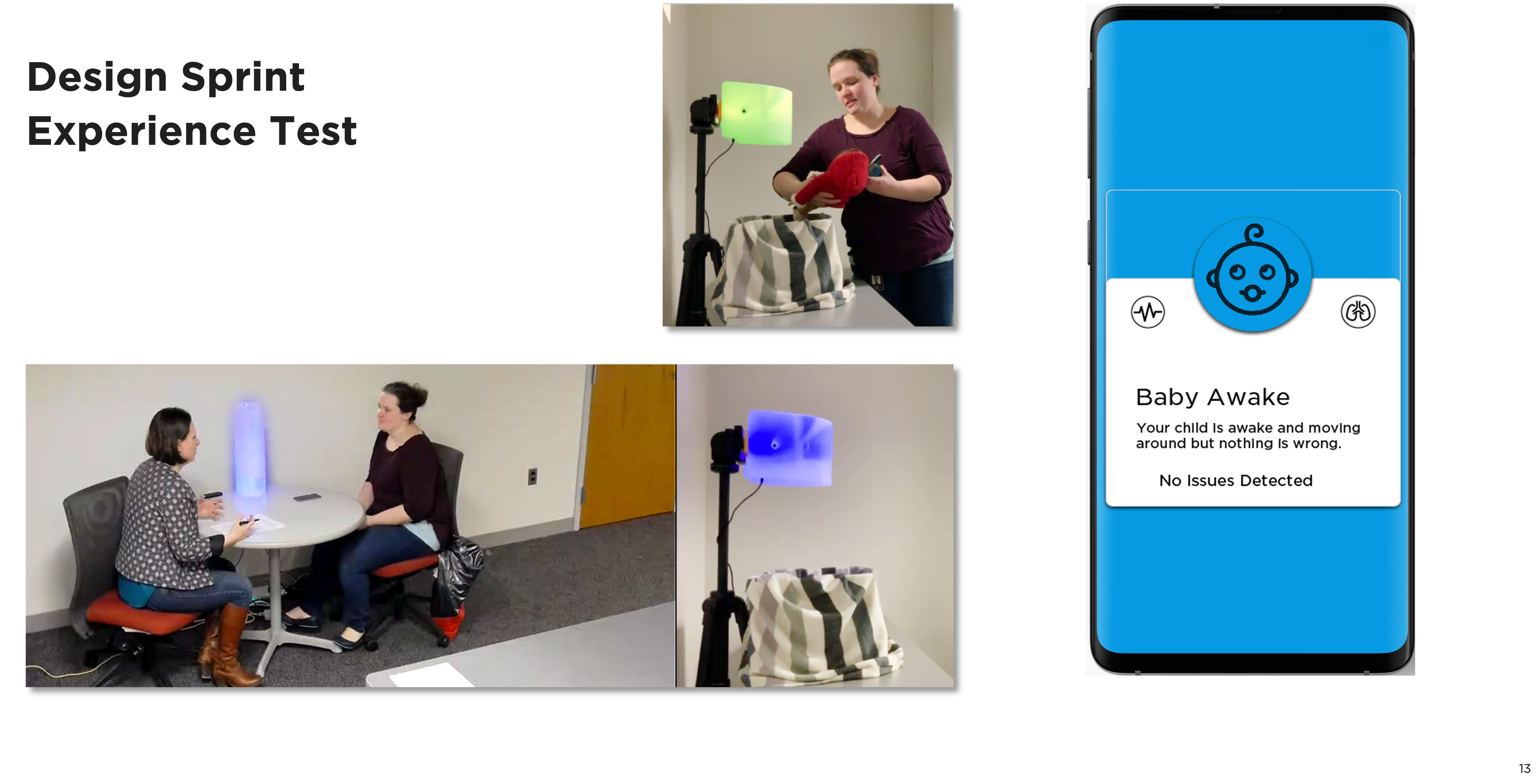
We conducted a six-month ethnographic study, a three-month video journal study, and rapid design sprints to continuously test emerging insights.
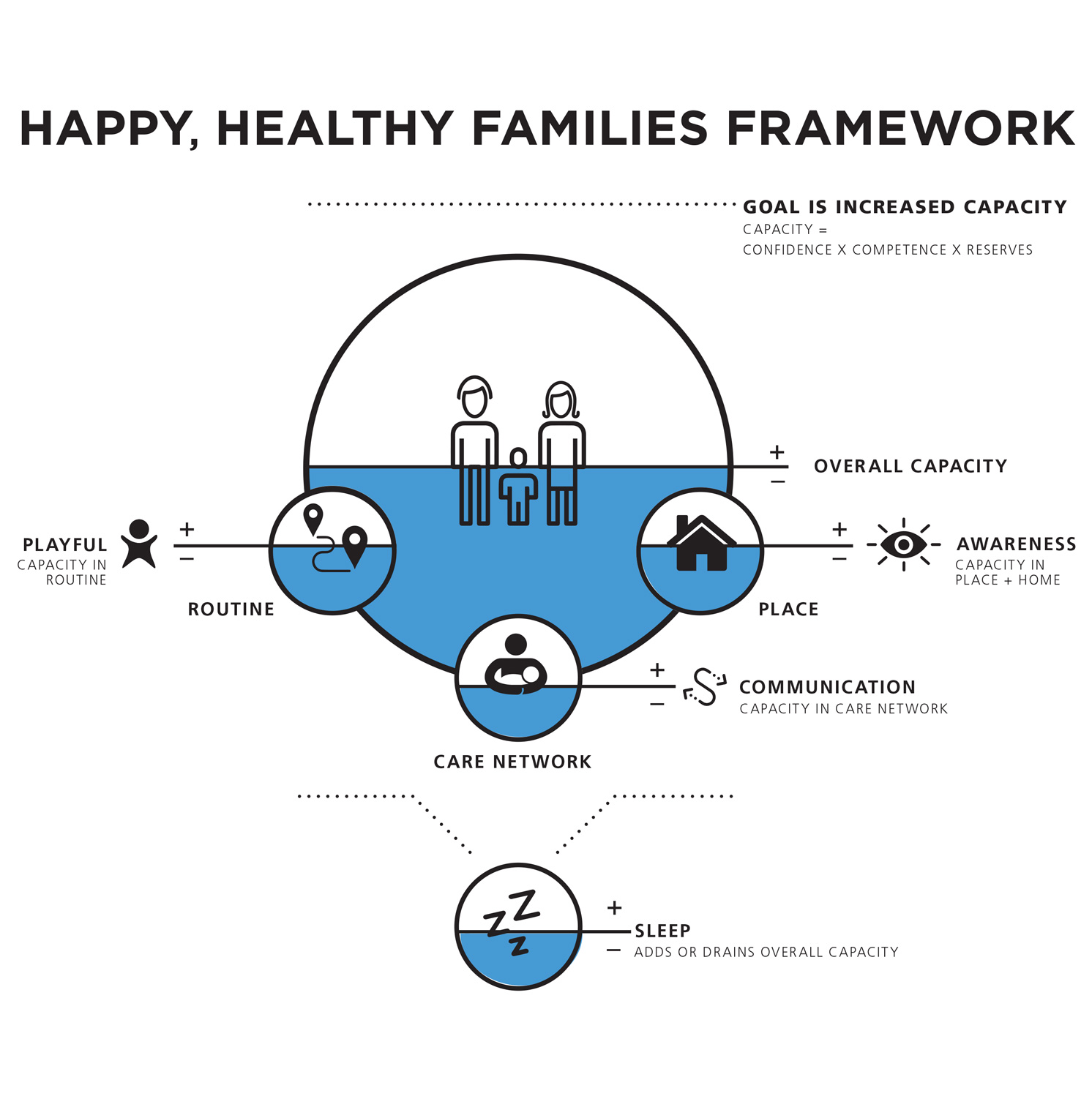
One key discovery was that sleep deprivation affected the entire family system, not just the baby. This shifted our focus from simple monitoring features to holistic support experiences that addressed shared parenting, cognitive load, and household wellbeing.
Project Outcome
Building on existing Bose technologies, we designed a smart sleep-support system that provided soothing audio for parents while delivering intelligent alerts when attention was needed. The system also tracked caregiving responsibilities, reducing sleep disruption and supporting shared parenting workflows.
By focusing on real human needs rather than feature parity, we delivered a differentiated, research-driven concept that expanded Bose’s understanding of family-centered smart technology.